Why So Many Marion County Homeowners Get Fence Maintenance Wrong
Ask ten homeowners in Marion County how often a wood fence needs to be stained or painted, and you will likely get ten different answers. Some believe a single coat lasts a lifetime. Others think staining is purely cosmetic and can wait indefinitely. These misconceptions lead to fences that warp, rot, or fade years before they should. At Neighborhoods Fencing, we work with property owners across Ocala, Dunnellon, and the surrounding areas who are often surprised to learn how much Florida's climate affects their fence's finish. This article clears up the most common misunderstandings about fence staining and painting so you can protect your investment and keep your fence looking its best for years to come.
Misconception: A New Wood Fence Doesn't Need Staining Right Away
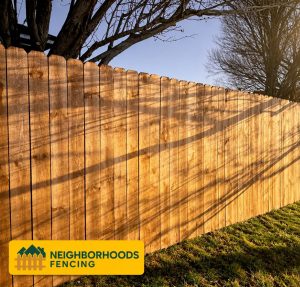
Many homeowners assume a freshly installed wood fence is already protected and can go a year or two before it needs any treatment. In reality, untreated or newly installed wood in Marion County is exposed almost immediately to intense sun, humidity, and heavy summer rain. Without a protective stain or sealant, wood can start absorbing moisture within weeks, which leads to warping, graying, and early rot. Our team at Neighborhoods Fencing recommends treating new wood fencing as soon as it has properly cured, which is typically a few weeks after installation. Starting early sets the foundation for a fence that holds up to Florida's demanding weather instead of fighting an uphill battle from the start.
Misconception: All Wood Fences Need the Same Maintenance Schedule
Not every wood fence ages the same way, and the right maintenance schedule depends on the wood species, the fence style, and even the specific microclimate of your property. A shaded fence line in Dunnellon surrounded by trees will hold moisture differently than an open fence in a sunnier part of Ocala. Properties closer to Lake County or Levy County may deal with slightly different humidity patterns as well. Because of these variables, we always recommend a personalized inspection rather than relying on generic advice found online. When we evaluate a fence, we look at sun exposure, drainage, and wood type before suggesting how often staining or painting should happen, usually somewhere between one and three years.
Misconception: Painting and Staining Are Interchangeable Choices
Some homeowners treat staining and painting as the same decision with different colors, but they serve different purposes and require different upkeep. Stain penetrates the wood and allows the natural grain to show through, offering protection while maintaining a more rustic look. Paint sits on top of the wood as a protective layer and offers more color options, but it can crack or peel over time if moisture gets underneath it. In Marion County's humid climate, this distinction matters more than many homeowners realize. Our technicians walk property owners through the pros and cons of each option based on the style of fence, whether it is a privacy fence, a picket design, or a custom build, so the final choice matches both the look and the durability they need.
Misconception: Staining and Painting Are Only About Appearance
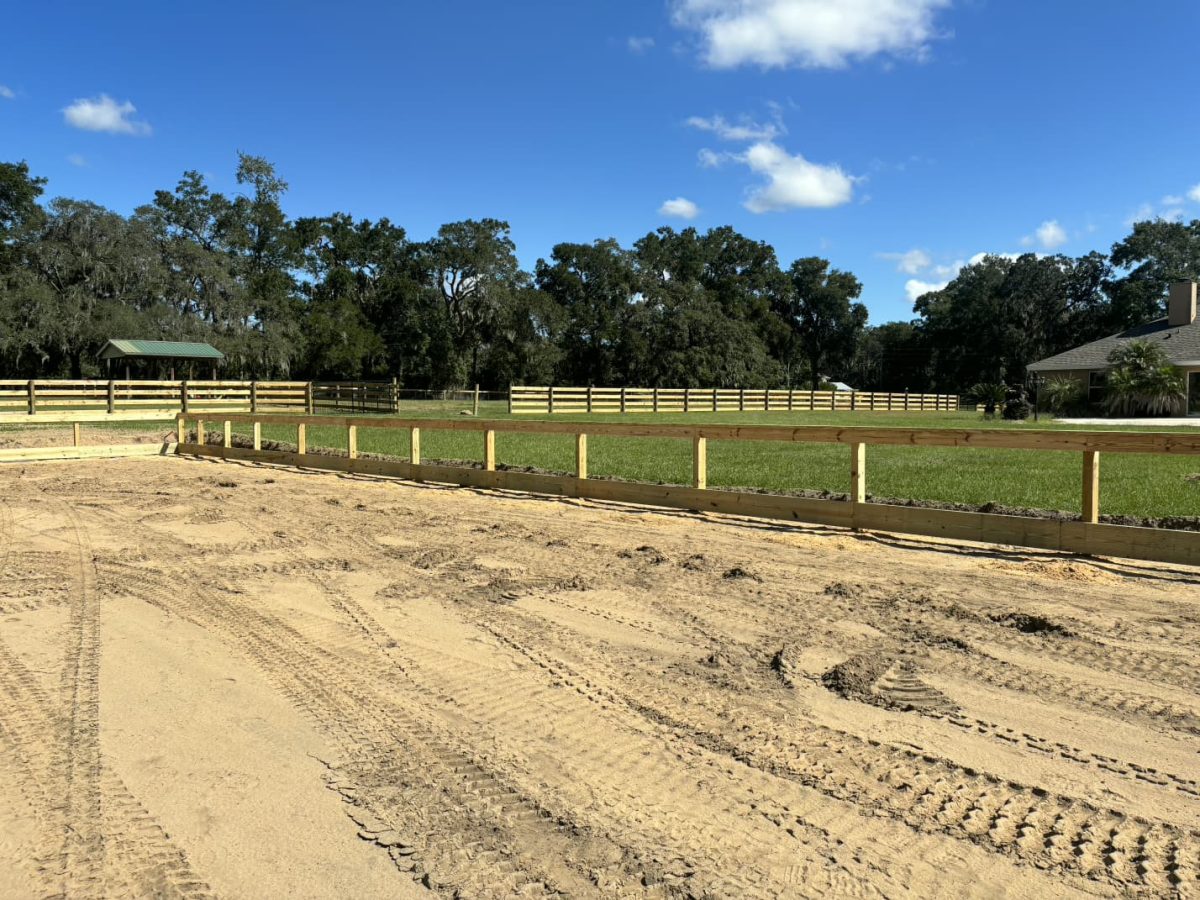
It is easy to assume that fence staining and painting are purely cosmetic upgrades, but the protective function is just as important as the look. A quality finish acts as a barrier against moisture, UV rays, insects, and the freeze-thaw swings that can occur even in Central Florida. Without that barrier, wood fibers break down faster, hardware loosens, and posts can become unstable over time. For homeowners who have invested in a custom wood fence, whether for privacy, livestock containment, or property boundaries, maintaining the finish protects that investment and helps avoid costly repairs or premature replacement down the road.
Why Local Expertise Matters for Fence Care in Marion County
Fence maintenance advice that works in a dry climate simply does not translate well to Central Florida. Neighborhoods Fencing has spent years serving communities throughout Marion County, Citrus Springs, and Hernando County, which means we understand exactly how local weather patterns affect wood, vinyl, and other fencing materials. We combine that local knowledge with quality materials and skilled workmanship to help homeowners choose the right staining or painting approach for their specific property, rather than applying a one-size-fits-all solution.
Protecting Your Fence Starts With the Right Information
Misunderstandings about fence staining and painting can quietly shorten the life of an otherwise well-built fence. Knowing when to start maintenance, how often to repeat it, and which finish best suits your property are small decisions that add up to significant savings over time. Whether you have a new wood fence going up or an existing one that needs attention, Neighborhoods Fencing is here to help Marion County homeowners make informed choices backed by real local experience.
Frequently Asked Questions
How often should a wood fence be stained or painted in Marion County?
Most wood fences in this climate benefit from a fresh coat of stain or paint every one to three years, depending on sun exposure, wood type, and how much rain and humidity the fence line is exposed to. A professional inspection can pinpoint the right schedule for your specific property.
Do vinyl or aluminum fences ever need staining or painting?
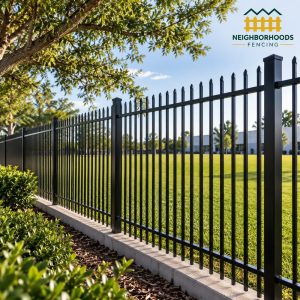
No. Vinyl and aluminum fencing are popular precisely because they do not require staining or painting. They hold up well against Florida weather with minimal upkeep, which is why many homeowners in Marion County choose them when they want a lower-maintenance alternative to wood.
Can staining or painting fix an older, weathered wood fence?
In many cases, yes. If the wood structure is still sound, a proper cleaning followed by the right stain or paint application can restore both the appearance and the protective barrier. However, if boards are already rotting or posts are unstable, repairs or replacement may be needed before any finish is applied.
Keep Your Marion County Fence Protected and Looking Great
Whether you need guidance on staining a new wood fence or want an honest assessment of an older one, Neighborhoods Fencing is ready to help. Our team serves Marion County, Ocala, Dunnellon, and surrounding areas with reliable, high-quality fencing expertise.