Don't Wait Until a Storm Is Approaching
Picture this: a tropical system appears in the forecast, and you spend the afternoon moving patio furniture inside, securing potted plants, and checking your storm shutters. But the fence surrounding your property? It stays exactly as it is. For many Florida homeowners, businesses, farms, and rural property owners, the fence is one of the last things considered during hurricane preparation — and one of the first things to show damage after a storm passes. Florida's combination of strong winds, heavy rainfall, saturated soil, intense heat, and high humidity places ongoing stress on fencing throughout the year. Hurricane season adds another layer of pressure on any existing weaknesses. The good news is that preparing your fence for hurricane season in Florida does not have to be complicated. Starting early — before a storm is imminent — gives you the time to identify problems, make repairs, and reduce the risk of avoidable damage. This guide walks you through a practical Florida hurricane fence preparation process, from your first walkthrough to what to check after severe weather passes.
Start With a Thorough Fence Line Inspection
The foundation of any hurricane season fence checklist is a careful, unhurried walk along your entire fence line. This is not a quick glance from the back porch — it means getting close enough to spot problems that are easy to miss from a distance. As you walk, look for posts that are leaning or feel loose when gently tested, boards that are warped or showing signs of rot, cracked or discolored vinyl panels, bent or damaged metal sections, rusting hardware or fasteners, gates that sag or no longer close correctly, missing components, soil that has washed away around post bases, and any previous storm damage that was never fully addressed. A small problem that seems manageable in calm weather can become a much larger issue when strong winds and heavy rain arrive. Addressing these details before the season is underway is far more practical than scrambling for repairs when a storm is already in the forecast. Pay particular attention to fence posts, since they provide the structural support for the entire system. Movement, leaning, rot near ground level, cracking, or signs of a previous makeshift repair all deserve a closer look. Post depth, anchoring method, spacing, soil conditions, and drainage around the base all play a role in long-term fence stability.
Gates, Vegetation, and Drainage Deserve Special Attention
Gates are often the most used and most stressed part of a fencing system. Because they contain moving components — hinges, latches, locks, and alignment hardware — they tend to show wear earlier than the fence panels themselves. Before hurricane season, test every gate on your property, including walk gates and vehicle gates. Check that hinges are secure, latches engage properly, locks function correctly, and the gate posts themselves are solid. A gate that already moves excessively or fails to close and latch correctly should be evaluated and repaired before severe weather arrives. Vegetation growing along or against your fence line is another factor worth addressing. Trees, shrubs, and vines that contact fencing can retain moisture and contribute to deterioration over time. More urgently, weak or overhanging tree limbs pose a real risk during high winds. Trim back vegetation that is in direct contact with the fence, and consider consulting a professional arborist for large, unstable, or difficult-to-reach limbs rather than attempting removal on your own. Finally, take a look at drainage and soil conditions around your fence posts. Florida's heavy rainfall can saturate soil quickly, and repeated exposure can expose existing erosion or drainage problems. Watch for standing water, washed-out soil, exposed post foundations, and low areas along the fence line. These conditions are worth addressing both before and after severe weather, and they should factor into any repair or new installation project.
Understanding How Fence Materials Handle Florida Weather
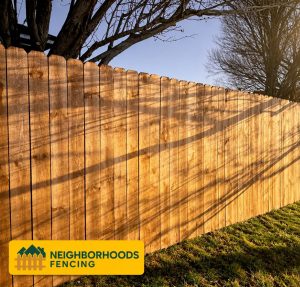
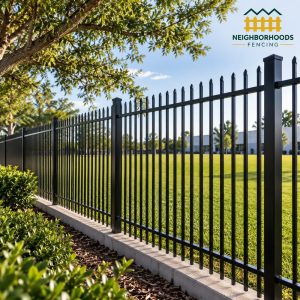
Different fencing materials respond differently to Florida's climate, and understanding those differences can help you make informed decisions about maintenance, repairs, and future installations. Vinyl fencing resists moisture and does not rot or rust, making it a popular choice for Florida properties. That said, installation quality and the structural condition of posts and panels still matter — vinyl fencing is not immune to storm stress. Aluminum fencing offers corrosion resistance and low maintenance, and its open construction allows wind to pass through more freely than solid panel options, which can be an advantage on many Florida properties. Wood fencing is attractive and versatile but requires more attention in Florida's climate. Moisture, rot, warping, and aging fasteners are all factors that should be monitored and addressed through regular sealing, staining, and inspection. Chain link fencing is a practical choice for residential, commercial, and rural applications alike. Posts, tension, gates, and hardware should still be inspected regularly, particularly before and after severe weather. No single fencing material is universally the right choice for every Florida property. The best option depends on your property's specific conditions, the fence's purpose, your maintenance expectations, and other project-specific factors. If you are considering a new fence installation or a material upgrade, a local fence contractor familiar with Central Florida conditions can help you evaluate your options.
Repair Small Problems Before They Become Bigger Ones
Hurricane season is a practical reminder to address repairs that may have been put off. Loose posts, individual damaged boards, broken panels, gate problems, rusted hardware, and leaning fence sections are all worth fixing before severe weather arrives. Delaying repairs allows normal wear and ongoing weather exposure to worsen existing problems, and what might have been a straightforward fix can become a more involved repair — or a full replacement — after a storm. Once conditions are safe following a storm, walk your fence line again and look for leaning or fallen sections, unstable posts, broken panels, bent fencing, damaged gates, exposed nails or sharp edges, fallen trees or limbs, debris impact, and changes in alignment. If you find significant damage, avoid handling unstable fencing, fallen electrical lines, large trees, or other potentially hazardous conditions on your own. A professional assessment can help you understand the full scope of what needs attention. When evaluating storm-damaged fencing, repair is often appropriate when damage is localized and the majority of the fence remains structurally sound. Replacement becomes a stronger consideration when multiple posts are failing, deterioration is widespread, the fence has required repeated repairs over a short period, or extensive sections have been compromised. A professional fence contractor can help you make that determination based on what they observe on your specific property.
Fence Preparation for Ocala, Dunnellon, Lake County, and Central Florida Properties
Central Florida properties vary widely, and fencing needs reflect that diversity. In and around Ocala, Dunnellon, Lake County, and Citrus Springs, you will find neighborhood homes, commercial properties, horse farms, cattle ranches, agricultural land, and larger rural acreage — each with different fencing purposes, materials, and maintenance considerations. A residential privacy fence in a neighborhood subdivision faces different demands than a board fence on a horse farm or a chain link perimeter around a commercial site. Regardless of property type, the fundamentals of Florida hurricane fence preparation apply across the board: inspect the full fence line, address existing damage, check posts and gates, manage vegetation, and monitor drainage. At Neighborhoods Fencing, we work with homeowners, businesses, farms, and rural property owners throughout this region. Whether you need a fence inspection before hurricane season, repairs to address existing damage, or guidance on a new installation, our team is familiar with the conditions and property types common to Central Florida. Here is a quick reference checklist you can save and use each season: walk the fence line, check posts for movement, inspect panels and boards, test gates and latches, look for rust, rot, or cracks, trim problematic vegetation, check for soil erosion, address existing damage, remove appropriate loose objects nearby, and reinspect the fence after severe weather passes.
Preparation Makes a Difference — Start Before the Season Gets Busy
Preparing your fence for hurricane season in Florida is not about guaranteeing that no damage will occur — severe storms can place stress on any fencing system. It is about identifying existing weaknesses, making repairs before conditions worsen, and reducing the risk of avoidable problems. Starting that process early, before a storm is in the forecast, gives you the time and options to address what you find. Whether you own a home in Ocala, a farm in Dunnellon, a commercial property in Lake County, or rural acreage in Citrus Springs, the steps are the same: inspect, repair, and maintain. If you would like professional help with a fence inspection, storm damage assessment, repairs, or a new installation, the team at Neighborhoods Fencing is here to help.
Frequently Asked Questions
How do I prepare my fence for hurricane season in Florida?
Start with a thorough visual inspection of your entire fence line, looking for loose or leaning posts, damaged panels, gate problems, rusted hardware, and soil erosion around post bases. Address any existing repairs before a storm is in the forecast, trim vegetation that contacts the fence, and check drainage around posts. After severe weather, reinspect the fence once conditions are safe and have a professional assess any significant damage.
Is vinyl or aluminum fencing a good choice for Florida weather?
Both vinyl and aluminum fencing are popular choices for Florida properties. Vinyl resists moisture and does not rot or rust, while aluminum offers corrosion resistance and an open construction that allows wind to pass through more freely. That said, installation quality and the structural condition of posts and components still matter for both materials. The right choice depends on your property, the fence's purpose, and your maintenance preferences — a local fence contractor can help you evaluate your options.
What should I do if my fence is damaged after a storm?
Once it is safe to go outside, walk your fence line and look for leaning or fallen sections, unstable posts, broken panels, bent fencing, damaged gates, and any exposed sharp edges or debris. Do not attempt to handle unstable fencing, fallen electrical lines, or large trees on your own. Contact a professional fence contractor for a damage assessment. Depending on the extent of the damage, repair or replacement may be recommended — a professional can help you determine the best course of action for your specific situation.
Schedule Your Hurricane Season Fence Inspection
Do not wait until a storm is in the forecast to find out your fence has a problem. The team at Neighborhoods Fencing serves homeowners, businesses, farms, and rural properties throughout Ocala, Dunnellon, Lake County, Citrus Springs, and surrounding Central Florida communities. Contact us today for a fence inspection, storm damage assessment, repair estimate, or to discuss a new installation. We are here to help you get your fence ready before hurricane season gets busy.